Stories in Every Stitch
Celebrating Our 2024–2026 Bra Decorating Winners
At Curves, our community is built on a foundation of strength, support, and deep love for one another. Over the last three years, our annual bra decorating contest has grown into a deeply meaningful tradition inside our clubs. It is far more than a fun craft competition; it is a profound symbolic representation of what our collective fight against cancer really means to women.
To celebrate the final physical Olivia Newton-John (ONJ) Walk for Wellness and to honor the incredible hard work, creativity, and generosity of our members, we have compiled these inspiring works of art into two beautiful, downloadable digital booklets.
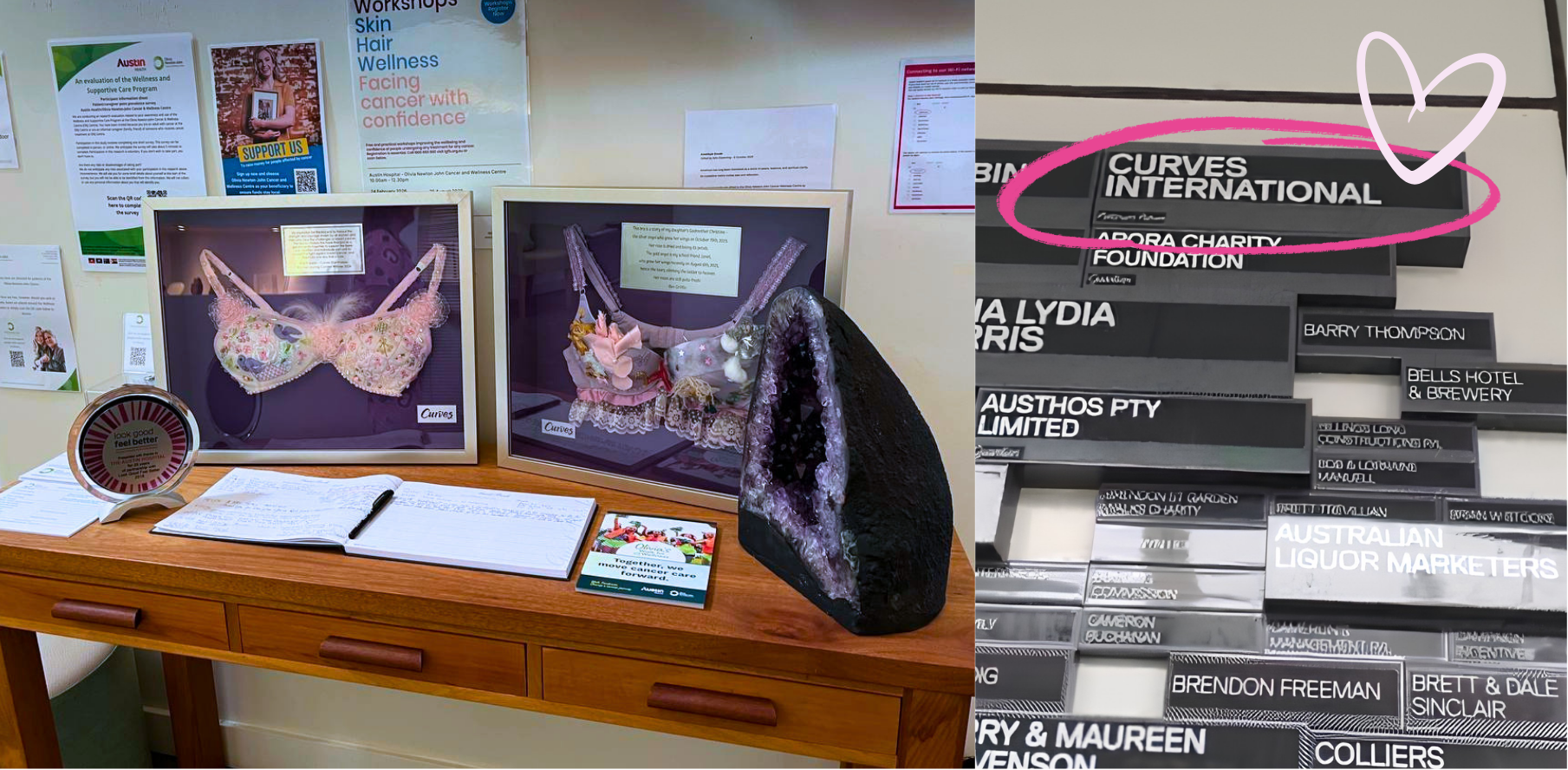
A Beautiful Tradition of Love and Remembrance
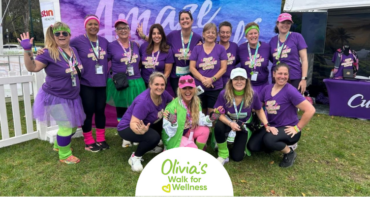
On Sunday, 4 October, the physical ONJ Walk for Wellness took place in Melbourne, Australia, for the last time, drawing more than 3,000 walkers. While the physical event is being retired due to rising operational overheads, the core mission of Curves, and our unwavering support for the holistic care provided by the Olivia Newton-John Cancer and Wellness Centre, remains completely unchanged.
Across our network, our club owners see the devastating impact of cancer within their local communities every day. We know the names of the members we have supported, we honor those we have lost, and we carry their memories forward. These decorated bras serve as physical, artistic manifestations of those memories, dedicated to honoring survivors, supporting those currently in the fight, and remembering those who have passed.
Volume 1: Australia & New Zealand Grand Prize Winners
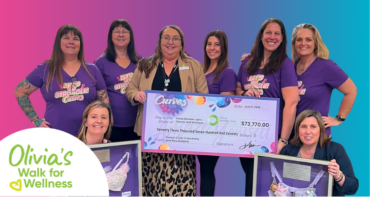
The winning entries from our South Pacific clubs are currently being framed and will be proudly displayed on a featured tribute wall inside the Olivia Newton-John Cancer and Wellness Centre itself, providing comfort and inspiration to patients and families.
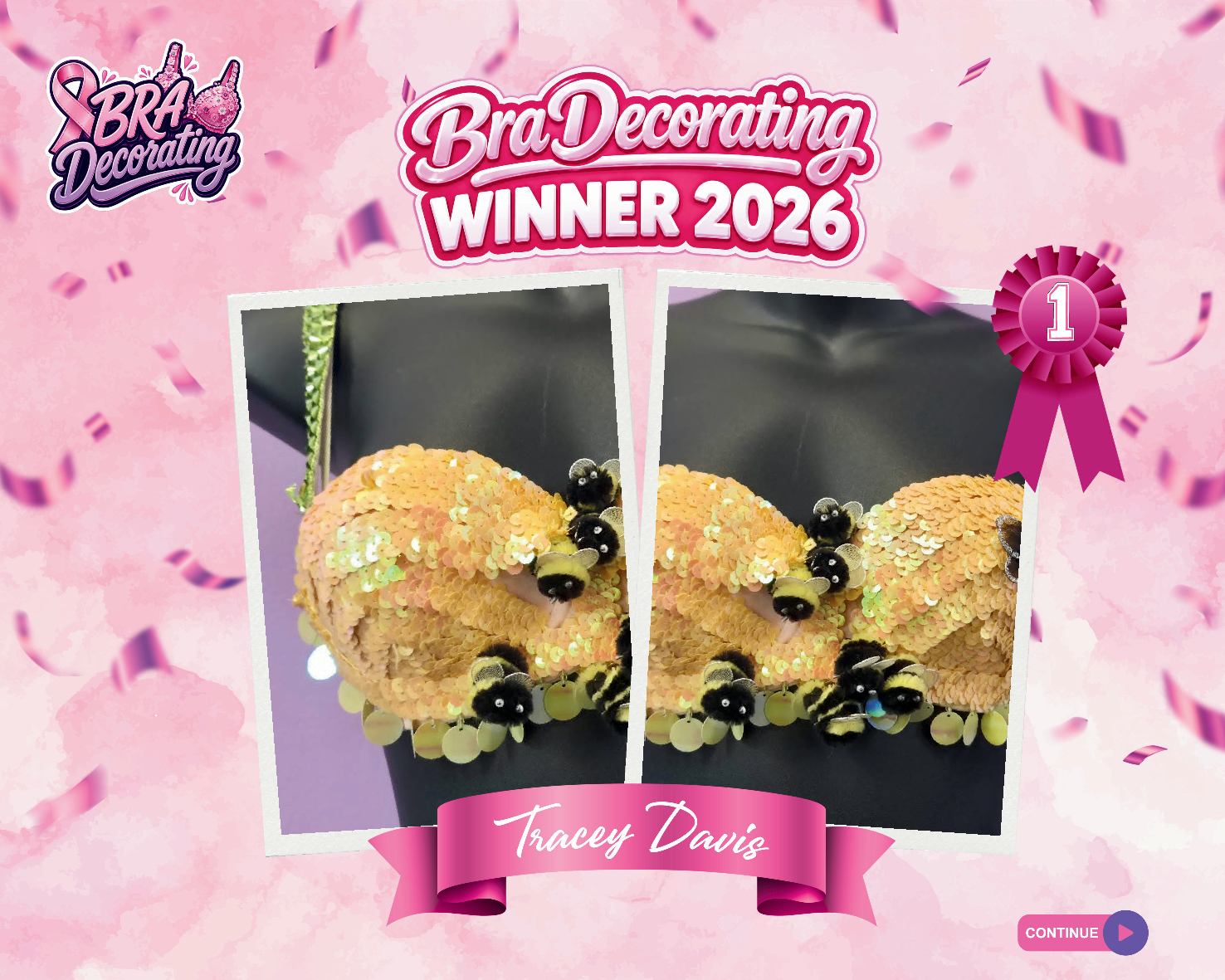
2026 AU Winner: Tracey Davis
Tracey’s bright, high-impact design is completely covered in sparkling gold sequins and accented with hanging circular gold fringe discs along the bottom. Adorned with several detailed 3D plush bumblebees, this creation represents community collaboration, bringing strength and vitality to the cause.
“Much like a diligent bee, life persists even after the toughest storms. Bees symbolise community, support, and collaboration—reminding us that the journey through breast cancer is never one taken alone.”
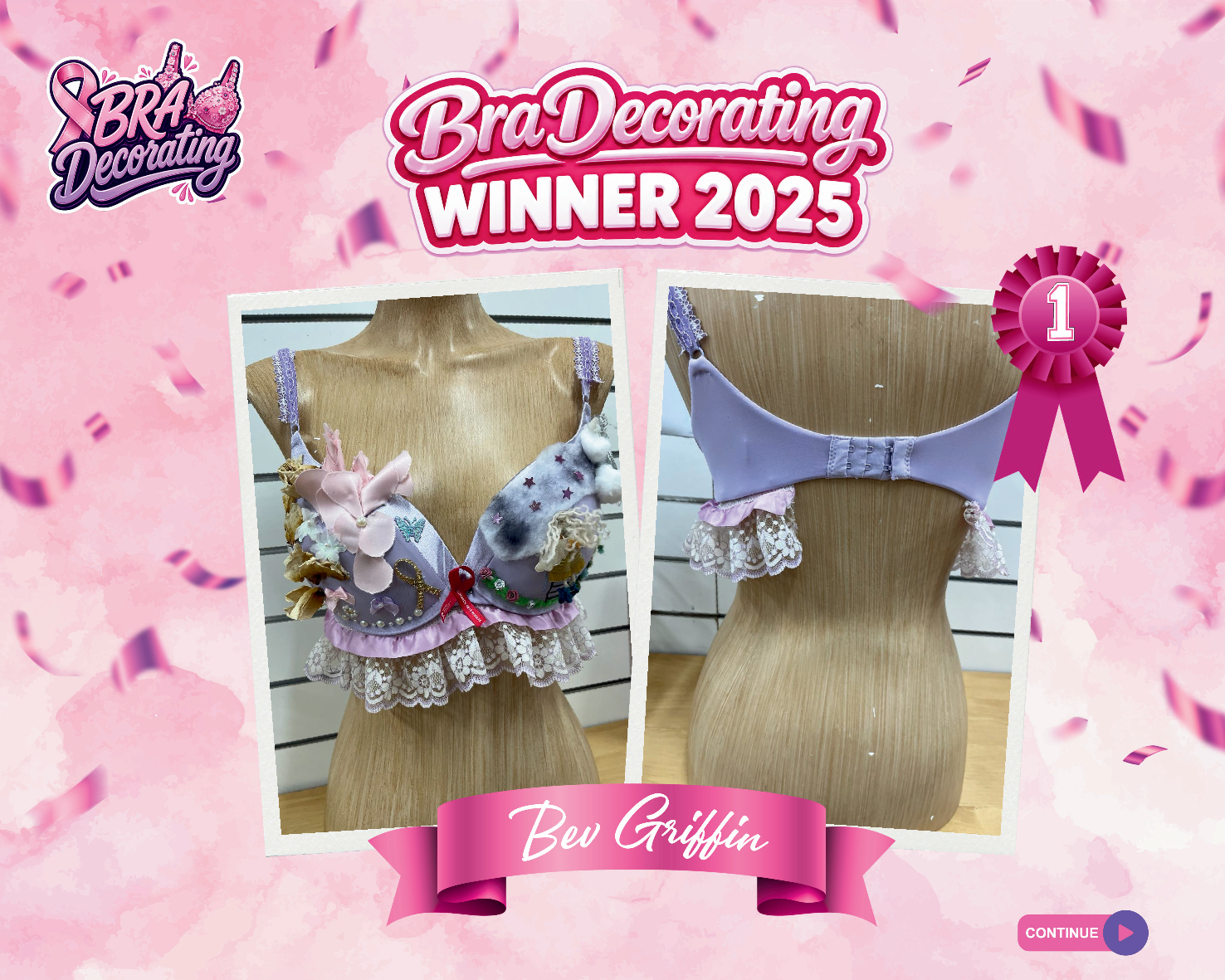
2025 AU Winner: Bev Griffin
Bev, also the winner of 2024, captured consecutive titles with a deeply emotional follow-up design exploring the passage of time. Pinned with a red awareness ribbon at the center, this lavender bra features a white lace trim skirt and a multi-textured arrangement of soft pink fabric roses and angel wings to honor loved ones lost.
“This bra is a story of my daughter’s godmother, Christine, the silver angel who grew her wings on 10 October 2023. Her rose is dried and losing its petals, symbolizing the passage of time, yet she is always remembered.”
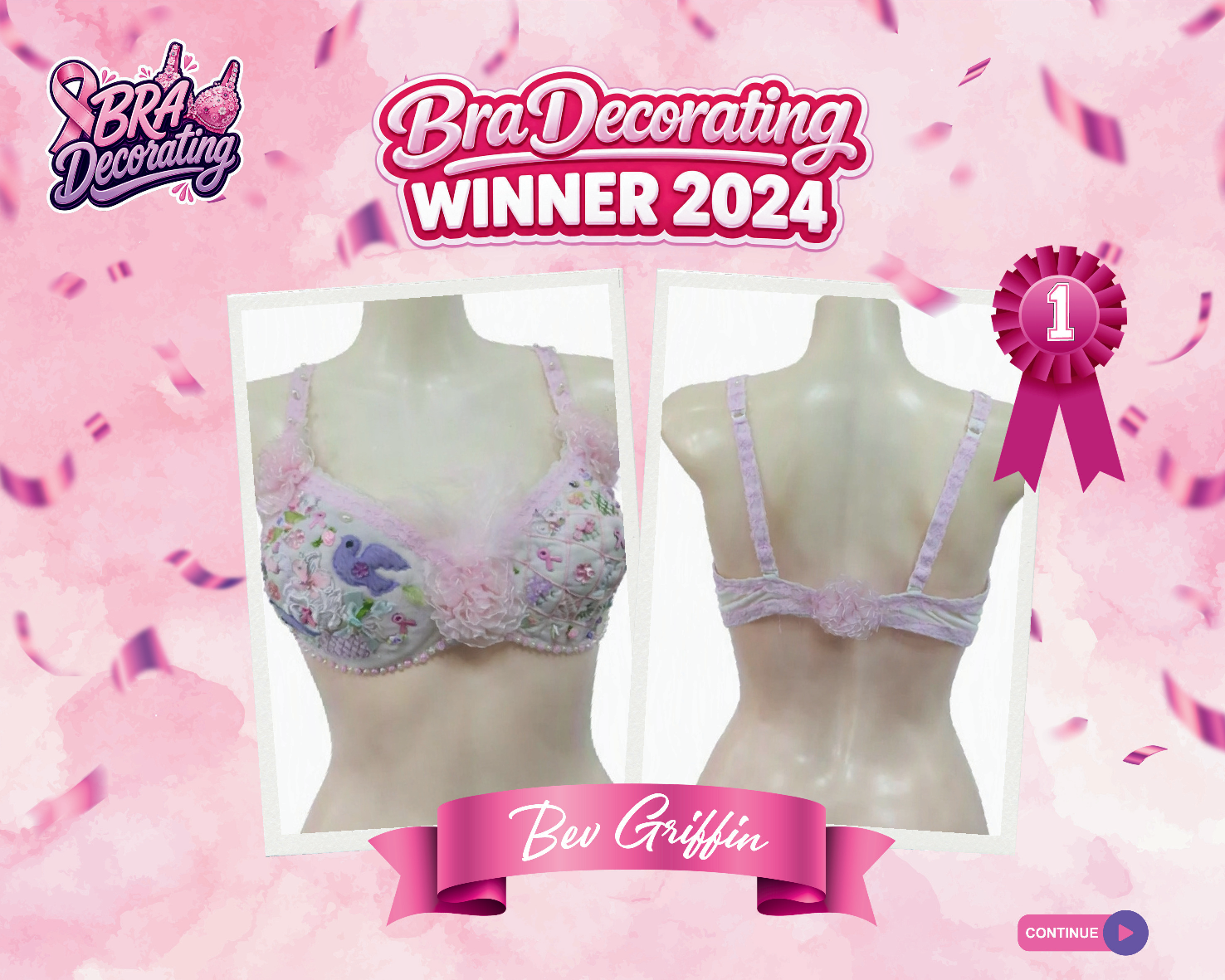
2024 AU Winner: Bev Griffin
Bev’s beautiful design features a white bra intricately decorated with delicate pink lace, mini floral prints, and soft ruffles across the cups. Accented with a small bluebird charm stitched onto the front left, it stands as a moving story of hope and love.
“My inspiration for designing this bra is to embody the strength and bravery exhibited by all individuals—women and men alike—who confront the challenges posed by breast cancer.”
Volume 2: United States & Canada Grand Prize Winners
Our North American sisterhood brought brilliant creativity and unshakeable faith to their creations, raising vital research funds for the ONJ Foundation Fund.
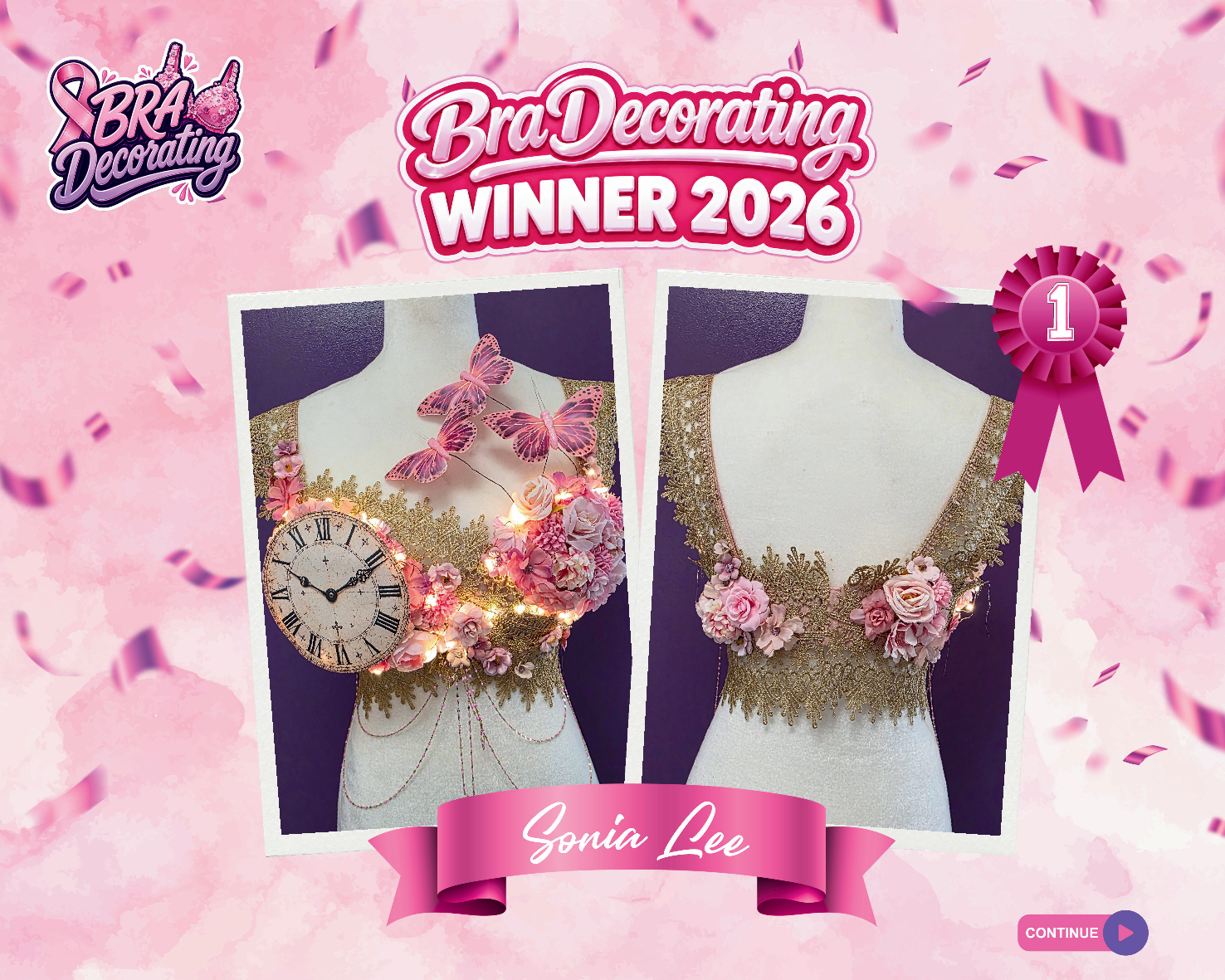
2026 US Winner: Sonia Lee
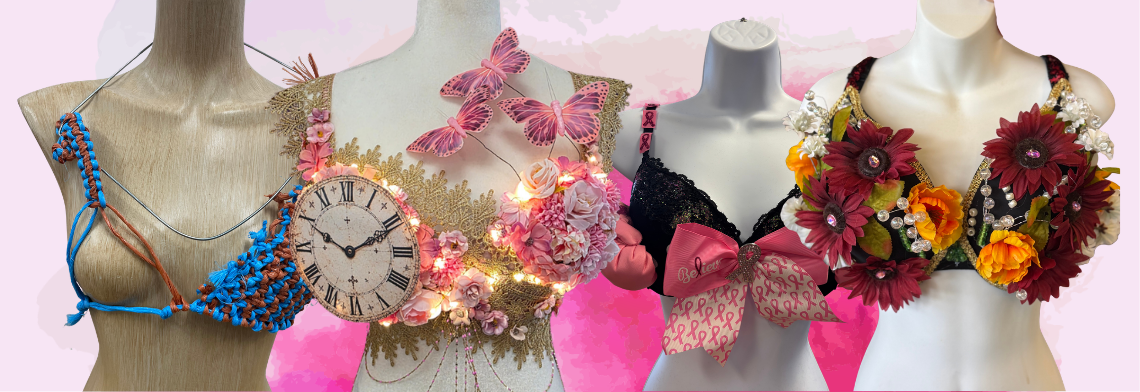
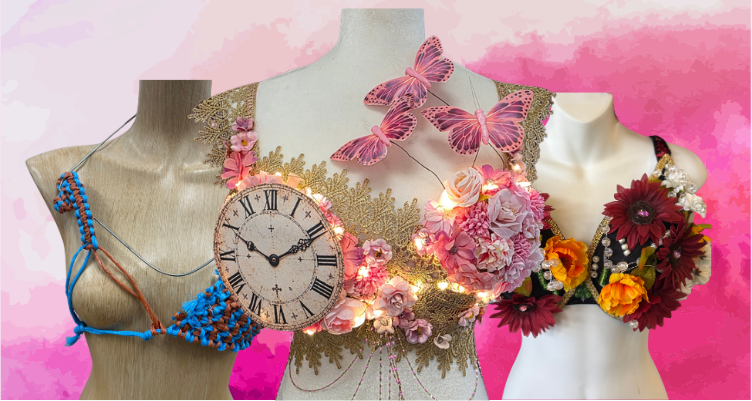
Sonia secured her second grand prize with a stunning vintage clock design wrapped in cascading flowers, butterflies, and soft pink lights. This piece serves as a reminder that cancer changes the way we think about time, showing that hope grows, beauty remains, and love never disappears.
“The vintage clock is the heart of my design. It represents the journey through time—the days we struggle, the days we celebrate, the milestones we reach, and the memories we hold close.”
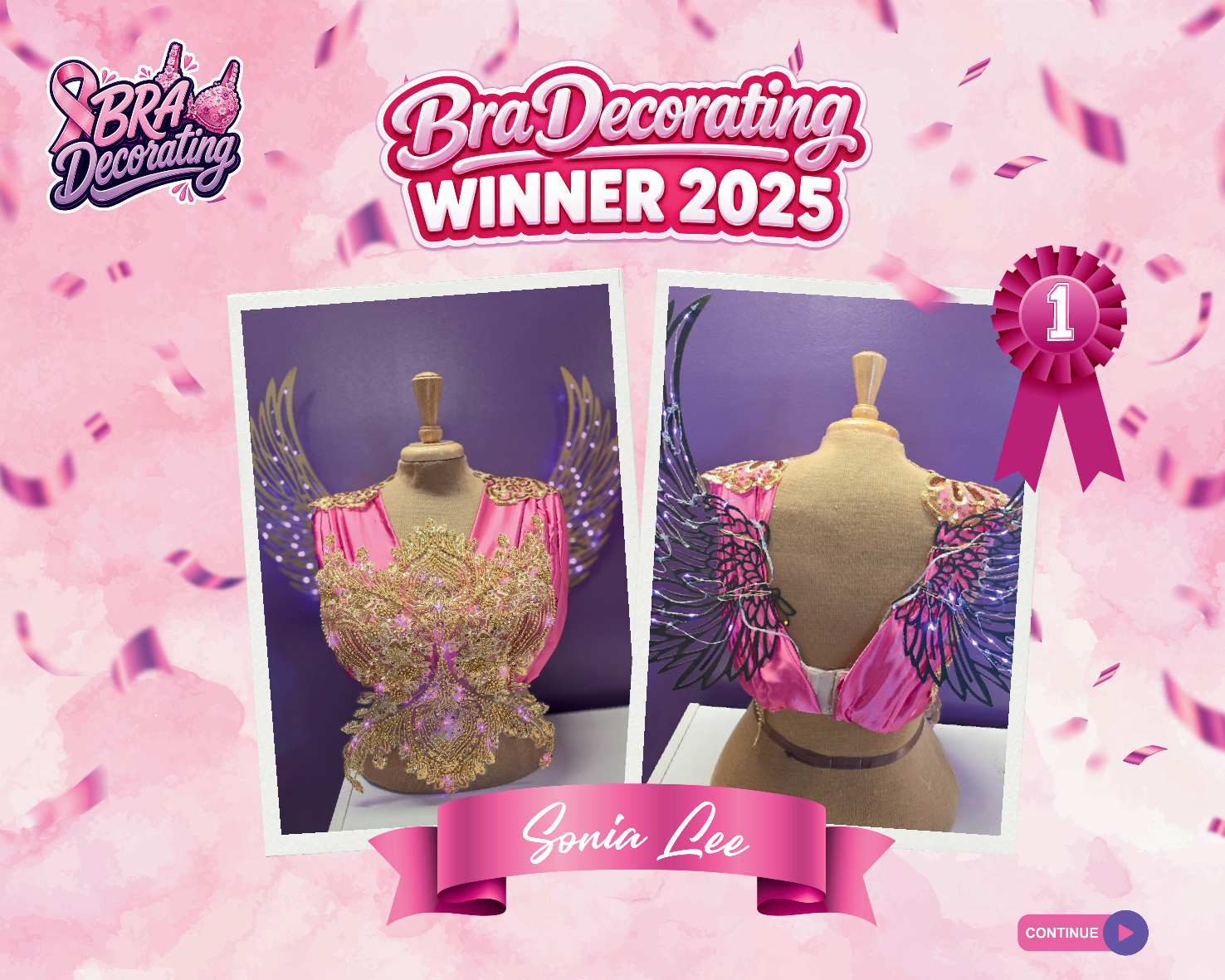
2025 US Winner: Sonia Lee
Sonia crafted a majestic piece utilizing radiant pink satin, gold embroidery, and intricate beading to showcase love, compassion, and inner power. Backed by glowing wings, this visual prayer honors the angels guiding us from above, rising from hardship to healing.
“The design draws its power from symbolism. The radiant pink satin represents love, compassion, and the nurturing spirit that connects women everywhere. Gold embroidery and beading reflect divinity, victory, and inner power…”
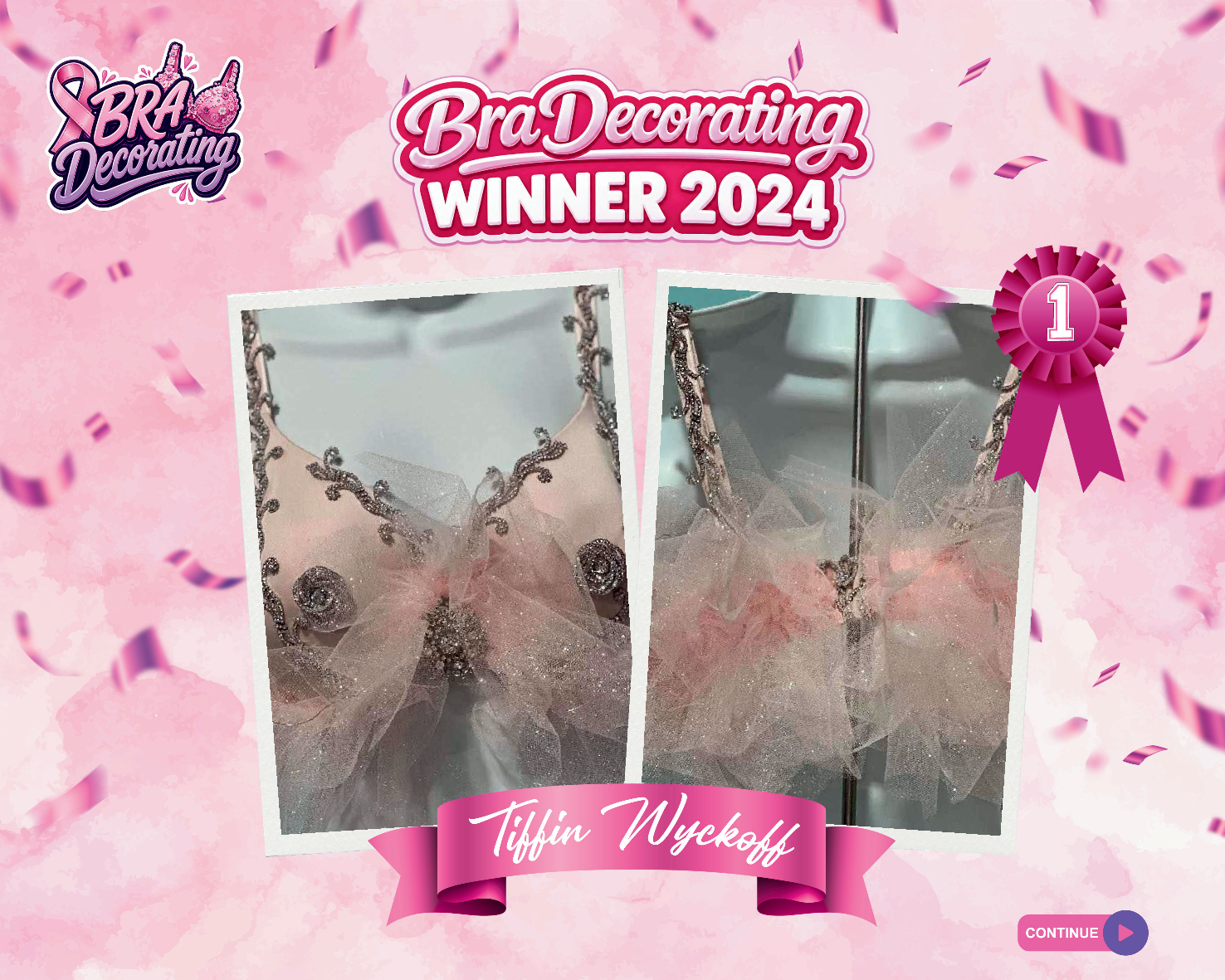
2024 US Winner: Tiffin Wyckoff
Tiffin combined soft pink hues with high-gloss glitter, sparkle, and delicate fairy lights to honor her aunt and her friend who are breast cancer survivors. The soft illumination represents every beautiful woman who has survived, those currently in treatment, and the loved ones we carry in our memories.
“Fairy lights represent every beautiful woman who has survived, those currently undergoing treatment, and the loved ones we have lost… May the ONJ Foundation always sparkle and shine a light for everyone affected by breast cancer.”
Download Your Commemorative Booklets Today
We invite our entire Curves family, both long-time members and those thinking about joining our community, to explore these digital galleries. Filled with beautiful designs and the stories that inspired them, they are a true testament to what can be achieved when women support women.
Join a Community That Stands Together
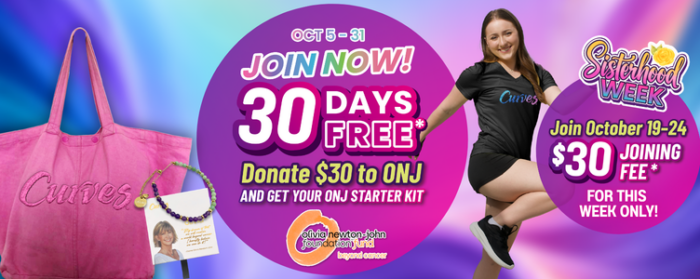
Our fundraising continues in all markets until 31 October. If you feel aligned with our mission, share your love and support:
- Australia and New Zealand: Support the Olivia Newton-John Cancer and Wellness Centre via the AUNZ donation link
- United States and Canada: Support the ONJ Foundation Fund via the USCA donation link
- Commemorative Keepsake: Purchase the chrysoprase and amethyst crystal piece via the Curves Shop (for Au and NZ only)
Building physical strength goes hand-in-hand with building emotional resilience. Clinical research consistently demonstrates that specialized strength training is a vital component of holistic cancer care, helping to manage treatment fatigue, preserve physical function, and lift overall mood.
At Curves, you are not just joining a gym; you are stepping into a supportive global network of women who show up for each other through life’s highest peaks and hardest challenges.
Ready to Build Your Strength and Join Our Mission?
If you are ready to prioritize your physical health, experience our empowering 30-minute circuit, and support a global sisterhood, we would love to welcome you. This October is the perfect time to join our deeply supportive community. Our coach-led system is built specifically to help you step into your own strength while showing up for a vital cause.
Book Your Discovery Consultation at your local club today to see how Curves can help you step into your own strength!
Passionate About Women’s Health? Bring Curves to Your Community
If you are inspired by the incredible impact of the ONJ Walk for Wellness, you can bring that same powerful energy to your own town. We need passionate leaders to help us build safe fitness sanctuaries and support networks for women everywhere.
If you are ready to combine your passion for strengthening women with your career goals, owning your own Curves Club is your next great milestone. Click below to access our comprehensive franchise information kit and learn how you can transform your local community today.